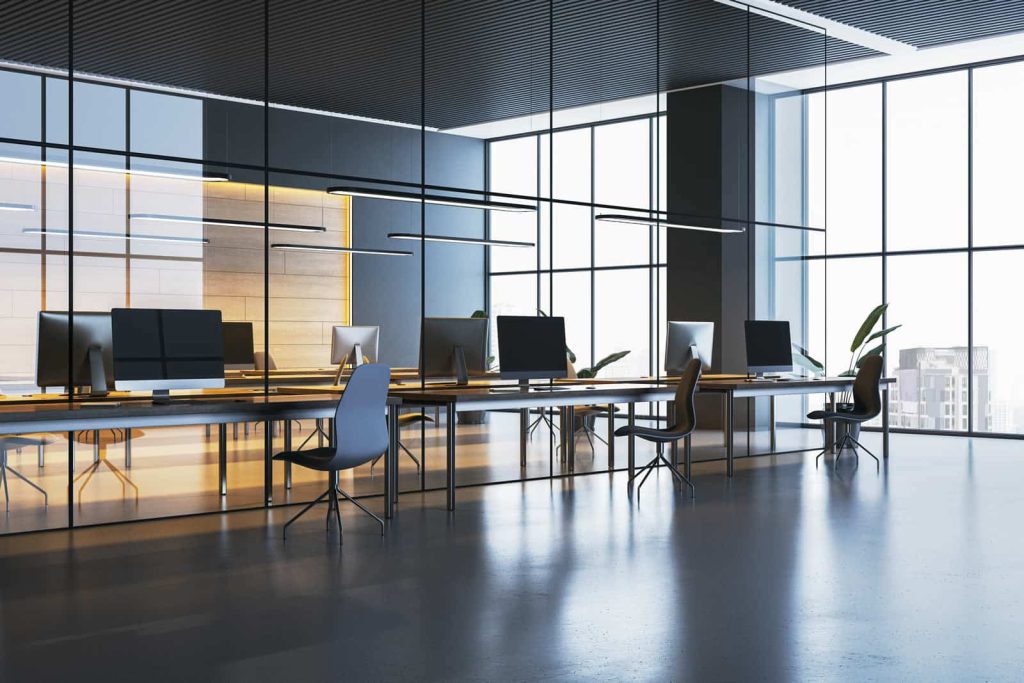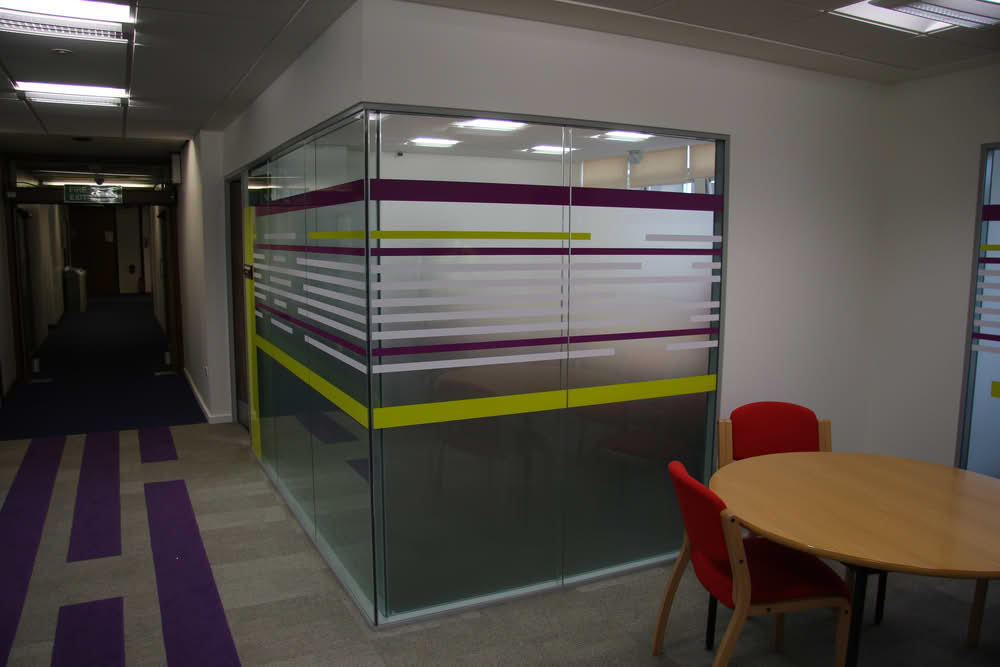

Becoming a commercial interior designer opens the door to a creative, rewarding, and fast-growing career. This profession allows you to shape commercial interiors such as offices, retail spaces, hospitality venues, and public environments, transforming them into functional and aesthetically powerful settings. When you learn how to become a commercial interior designer, you also discover how design influences productivity, customer experience, brand identity, and operational success.
If you are drawn to creativity, problem-solving, and designing spaces with purpose, commercial interior design can offer an exciting and fulfilling pathway. From technical planning and spatial strategy to material selection and compliance knowledge, the role blends artistic flair with practical decision-making.
What Does a Commercial Interior Designer Do?
A commercial interior designer is responsible for creating commercial interiors that are visually appealing, safe, comfortable, and tailored to business operations. Their work goes far beyond choosing colours and furniture—it involves strategic planning, design development, and coordination.
Commercial interior designers typically handle:
- Concept development for commercial interior projects
- Space planning and layout optimisation
- Material, finish, and furniture selection
- 3D visualisations, technical drawings, and documentation
- Compliance considerations such as fire safety and accessibility
- Lighting and acoustic planning
- Coordination with contractors, suppliers, and trades
This blend of creativity and technical expertise makes commercial interior design a career with depth, challenge, and variety.
Skills You Need to Become a Commercial Interior Designer
Commercial interior designers need a wide range of skills to meet the demands of modern commercial interiors. These skills help them understand client needs, optimise space, and manage the complexities of interior design commercial office projects.
Some essential skills include:
- Strong creativity and visual communication
- Understanding of spatial planning and flow
- Knowledge of building regulations and standards
- Technical drawing abilities (CAD, Revit, or similar software)
- Awareness of commercial interior trends and materials
- Ability to interpret a client’s brand identity
- Project management and organisation
- Problem-solving and collaboration with multiple teams
- Attention to detail and long-term thinking
These skills develop and strengthen over time as designers take on more complex commercial interior projects.
Education and Training Requirements
There is no single path toward becoming a commercial interior designer, but most successful professionals gain formal education and relevant design experience.
Common routes into the industry include:
- A university degree in interior design, interior architecture, or spatial design
- College courses in art and design or built environment studies
- Diplomas, certifications, or accredited training in interior design
- Apprenticeships or junior design roles within commercial interior design companies
- Short courses in CAD, Revit, SketchUp, or design principles
- Portfolio-building through freelance or volunteer projects
Formal education helps you understand the fundamentals of design, materials, space planning, and compliance—critical areas for anyone entering commercial interior design.
Building a Portfolio for Commercial Interior Design
A strong portfolio is essential when you want to become a commercial interior designer. Your portfolio shows employers or clients your creativity, skill level, and ability to design commercial interiors effectively.
Your portfolio should include:
- Concept sketches and design boards
- 3D renders or visualisations
- Before-and-after images of projects
- Technical drawings and layout plans
- Case studies explaining design decisions
- Projects that show commercial interior design variety
Your portfolio should grow with your career, highlighting your best work and your ability to design commercial office interiors with purpose and clarity.
Gaining Real-World Experience
Real-world experience accelerates your journey toward becoming a commercial interior designer. It helps you understand how commercial interiors come together in practice and exposes you to the project management side of design.
Experience can be gained through:
- Internships with commercial interior design firms
- Junior design assistant roles
- Freelance design work
- Volunteering on commercial refurbishment or fit-out projects
- Mentorship from experienced designers
- Working with contractors or suppliers within the industry
Hands-on involvement provides you with insight into timelines, supplier relationships, and compliance considerations—skills that are essential for commercial interior projects.
Understanding Commercial Interior Design Specialisms
Commercial interior design offers several specialisms that allow you to tailor your career to your interests and strengths.
Popular specialisms within commercial interiors include:
- Office and corporate workspace design
- Retail and hospitality environments
- Healthcare interior design
- Education and learning spaces
- Branded environments and experience-led design
- Commercial interior refurbishment and fit outs
- Sustainable and eco-conscious commercial interior design
Choosing a specialism helps shape your portfolio and career direction while allowing you to position yourself within specific commercial interior design markets.
How Long Does It Take to Become a Commercial Interior Designer?
The time it takes to become a commercial interior designer depends on your education route, training, and the amount of hands-on experience you build.
For many people, the timeline is:
- College or university education: 2–4 years
- Early experience or internships: 6–24 months
- Developing a professional-level portfolio: ongoing
- Building specialist knowledge in commercial interiors: ongoing
You can enter junior roles more quickly if you gain strong software skills, develop a focused portfolio, or begin gaining experience early.
How to Get Your First Job in Commercial Interior Design
Securing your first role in the commercial interior design industry relies on preparation, persistence, and positioning.
Helpful steps include:
- Creating a polished, visually appealing portfolio
- Reaching out to commercial interior design companies with tailored applications
- Networking with design professionals online or at industry events
- Being open to junior or assistant roles that offer learning opportunities
- Developing strong CAD and visualisation skills to stand out
- Staying updated on commercial interior design trends
Once you gain your first role, you begin accumulating the experience that will help you move into more advanced commercial interior design positions.
Career Progression in Commercial Interior Design
As you grow within the commercial interior design industry, you can progress into roles that allow for greater responsibility and creative leadership.
Career progression may include:
- Junior interior designer
- Mid-weight commercial interior designer
- Senior commercial interior designer
- Design manager or design lead
- Commercial interior project manager
- Design director or creative director
- Freelance commercial interior designer
- Consultant for commercial interior design companies
Your progression will depend on your design strengths, leadership capabilities, and experience across various commercial interior projects.
Final Thoughts
Learning how to become a commercial interior designer gives you insight into a profession that blends creativity, strategy, and technical expertise. It is a career where each project shapes the experience of employees, clients, and customers. By developing strong design skills, gaining practical experience, and building a compelling portfolio, you can create a successful path in the world of commercial interiors.
Whether you choose to specialise in office design, hospitality interiors, or branded commercial environments, commercial interior design offers limitless opportunities to grow, innovate, and make a meaningful impact across every space you transform.