Retail space renovation costs in the UK sit within a wide but predictable range, driven by specification, layout, and the condition of the unit. Most projects are priced per square metre, which allows consistent comparison across different shop sizes and locations. A simple refresh may fall at the lower end, while a full redesign with bespoke interiors, lighting, and branding will push costs significantly higher.
For most retail projects, cost is not defined by size alone but by how much of the existing space needs to be replaced or upgraded. A well-maintained unit with a basic upgrade will cost far less than a full strip-out requiring structural and system changes. Understanding that distinction prevents underestimating the true budget required.
Average Retail Renovation Cost Per Square Metre
Retail renovation costs in the UK typically follow clear pricing bands depending on the level of finish and complexity. These ranges provide a realistic baseline for budgeting before detailed planning begins. They should be treated as guidance rather than fixed pricing.
Typical UK cost ranges are:
- Basic refurbishment: £300 to £600 per m²
- Mid-range renovation: £600 to £1,000 per m²
- High-end retail fit-out: £1,000 to £1,500+ per m²
Some standard projects will sit in the middle of this range, particularly where both visual improvements and system upgrades are required. High-end retail environments move beyond this when branding and customer experience are prioritised.
What Is Included in a Retail Space Renovation?
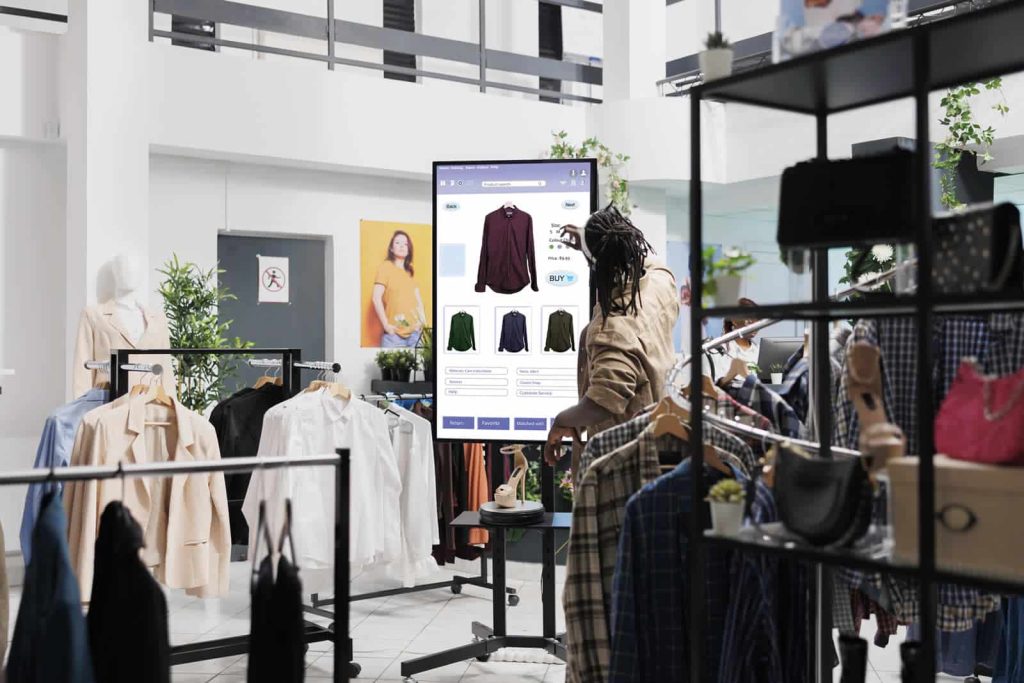
Retail renovation involves more than visual upgrades, as it directly affects how customers move through and interact with the space. Every element is designed to influence experience, visibility, and sales performance. The scope of work can vary from cosmetic updates to full structural redesign.
Typical elements include:
- Shopfront upgrades and signage
- Flooring and wall finishes
- Lighting design and installation
- Display units and shelving
- Electrical and data systems
- HVAC and ventilation upgrades
- Branding and visual merchandising features
Each component can be delivered at different levels of quality, which directly impacts cost per square metre. The more design-led the space becomes, the higher the overall spend.
What Drives Retail Renovation Costs Up
Retail projects are highly influenced by design and finish quality because the space directly affects customer behaviour and sales. The biggest cost driver is specification, especially when bespoke joinery, feature lighting, and branded interiors are introduced. A basic shop layout will always cost less than a high-end retail environment designed to maximise engagement.
Key cost drivers include:
- Level of finish and branding
- Layout complexity and customer flow
- Display units and bespoke fixtures
- Mechanical and electrical upgrades
- Location and labour rates
These factors often combine rather than operate separately, which is why costs can increase rapidly in premium retail projects. Ignoring one of these elements leads to inaccurate budgeting.
Cost by Retail Space Size
Total cost increases with size, but cost per square metre may reduce slightly on larger projects due to efficiencies in labour and material use. Smaller retail units often carry higher relative costs because fixed expenses are spread across less space. This is why small boutique shops can feel disproportionately expensive to renovate.
Typical project costs are:
- 50 m² shop: £15,000 to £75,000
- 100 m² shop: £30,000 to £150,000
- 250 m² shop: £150,000 to £300,000+
- 500 m² retail unit: £300,000 to £750,000+
Large-scale retail projects can extend into multi-million pound budgets when high-end finishes and full design integration are involved. The level of specification has a greater impact than size alone.
Retail Renovation Cost Breakdown
Breaking down costs provides clarity on where the budget is allocated and where adjustments can be made. Retail spaces often allocate more budget to customer-facing elements compared to other commercial sectors. This is because visual impact directly influences revenue and customer engagement.
Typical allocation:
- Design and planning: 5–10%
- Construction and refurbishment works: 40–60%
- Mechanical and electrical systems: 15–25%
- Fixtures, fittings, and displays: 15–25%
- Project management: 5–10%
Display units, lighting, and branding often take a larger share in retail projects. This shifts the budget towards elements that directly influence customer behaviour.
Hidden Costs in Retail Renovation
Retail renovation projects often uncover hidden costs once work begins, particularly in older properties. These issues are not always visible during early planning and can significantly increase the final budget. Detailed surveys help reduce this risk but do not remove it completely.
Common hidden costs include:
- Structural repairs
- Compliance with regulations
- Asbestos removal
- Shopfront upgrades
- IT and payment systems
Each of these can add a substantial amount to the total cost. Including a contingency budget is essential to avoid disruption.
How Long Does a Retail Renovation Take?
Project timelines influence cost by affecting labour, coordination, and business downtime. Retail projects are often time-sensitive because delays impact revenue and operational continuity. Faster delivery usually results in higher labour costs.
Typical timelines are:
- Small retail unit: 3–6 weeks
- Medium shop: 6–10 weeks
- Large retail space: 10–20+ weeks
More complex projects involving bespoke elements or structural changes can extend beyond these ranges. Proper planning reduces delays and keeps costs under control.
Reducing Retail Renovation Costs Without Impacting Sales
Cost reduction must be approached carefully in retail environments because removing visible elements can reduce effectiveness. The focus should be on efficiency rather than cutting features that influence customer behaviour. A lower-cost design that performs poorly can reduce revenue.
Effective approaches include:
- Retaining existing layouts
- Using modular display systems
- Selecting durable materials
- Planning design decisions early
Efficiency reduces cost without weakening the retail experience. Removing key design elements often leads to lower long-term returns.
Retail Renovation vs Fit-Out Costs
Retail renovation and retail fit-out are often used interchangeably, but they differ in scope. Renovation upgrades an existing space, while a fit-out creates a new environment from a shell. The cost difference depends on how much of the existing structure is reused.
Refurbishment projects are generally cheaper because they retain some existing elements. However, if major upgrades are required, the cost can approach that of a full fit-out. The decision depends on the condition of the unit and the level of transformation required.
Using a Retail Fit-Out Cost Calculator
Estimating retail renovation costs without structure leads to unreliable figures. A cost calculator provides a controlled method for generating estimates based on key variables. This improves accuracy and supports better planning.
Typical inputs include:
- Shop size
- Specification level
- Type of retail business
- Location
- Duration
The output provides a realistic range rather than a fixed number. This allows for better budgeting and reduces uncertainty.
What We Get Asked…
How much does it cost to renovate a retail space in the UK?
Retail space renovation in the UK typically costs between £300 and £1,500+ per square metre depending on the level of finish and complexity. Basic refurbishments sit at the lower end, while high-end retail environments with bespoke interiors and advanced lighting systems sit at the top. Most standard retail projects fall between £600 and £1,000 per square metre. The final cost depends heavily on layout changes, branding, and the condition of the existing unit.
Why do retail renovation costs vary so much?
Costs vary because retail spaces are highly dependent on design, customer experience, and branding. A simple shop with standard shelving and lighting will cost significantly less than a premium retail environment designed to maximise footfall and sales. Layout complexity, materials, and technology all influence pricing. The variation reflects different business goals rather than inconsistency.
Is it cheaper to refurbish a shop instead of fitting it out?
Refurbishing a shop is usually cheaper because it upgrades an existing space rather than building from a shell. However, if the existing unit requires major changes, the cost difference becomes smaller. In some cases, a full fit-out provides better long-term value and flexibility. The decision depends on the condition of the space and the level of transformation required.
How do I get an accurate retail renovation quote?
Accurate quotes require a detailed brief, site survey, and clear understanding of the desired layout and finishes. Without these, any estimate will be broad and unreliable. Contractors need to assess the structure, systems, and design requirements before pricing correctly. Detailed planning is essential for cost accuracy.
Can I reduce retail renovation costs without affecting sales?
Costs can be reduced by focusing on efficiency rather than removing key design elements. Retaining layouts, using modular fixtures, and selecting durable materials all help control spending. Removing customer-facing features such as lighting or display quality can negatively impact sales. The goal is to reduce waste, not reduce impact.
Does location affect retail renovation cost?
Location has a direct impact on cost due to labour rates, access, and demand. High-street locations and major cities typically cost more due to logistics and working constraints. Projects in London are usually significantly more expensive than regional areas. This difference can add 20–30% or more to the total project cost.
Final Cost Position
Retail space renovation costs in the UK typically range from £300 to £1,500+ per square metre, with most projects sitting between £600 and £1,000 per m² depending on specification and complexity. Total cost is influenced more by design, layout, and systems than by size alone. A structured approach to planning ensures more accurate budgeting.
Clear cost awareness and early planning reduce risk and lead to stronger project outcomes. This ensures the final space delivers both visual impact and commercial performance.