
Commercial interior walls play a critical role in how a workspace feels, functions, and performs. When you walk into an office, retail unit, hospitality venue, or commercial building, the thickness of each wall quietly influences everything from sound privacy and insulation to safety, compliance, and flexibility. Understanding commercial interior wall thickness helps you make smarter decisions during fit-outs, refurbishments, and commercial interior projects—especially when balancing design ambition with practical performance.
In commercial interiors, wall construction varies depending on layout needs, building regulations, fire rating requirements, and the overall interior commercial design strategy. As you plan your space, you’ll look at how each partition supports workflow efficiency, aesthetic flow, and functional performance. With well‑considered wall systems, commercial office interiors become more comfortable, productive, and acoustically protected—something many organisations prioritise.
Because commercial interior specialists work with different construction systems, material choices, and specification levels, wall thickness can differ significantly. Whether you’re creating new commercial interiors UK‑wide or working with commercial interior designers near you, knowing these dimensions helps you visualise the final result and plan electrical, plumbing, furnishings, and storage layout.
What Determines the Thickness of Commercial Interior Walls?
Commercial interior walls are shaped by performance standards rather than guesswork. In many commercial interior fit‑outs, designers and contractors consider acoustic requirements, structural needs, mechanical service routes, and safety regulations. This is why interior designer commercial teams rarely work with a one‑size‑fits‑all approach.
Different wall systems exist for different purposes. While a light partition may be perfect for offices, a thicker composite wall may be essential for meeting rooms, IT hubs, or client‑facing areas where privacy is crucial. Commercial interior design companies often outline these options early in a project to help control budgets and usability.
Typical Thickness of Standard Stud Partition Walls
In many commercial office interior design projects, the most common type of internal wall is a stud partition. Using metal or timber studs, these partitions are lightweight, flexible, and quick to install.
A standard commercial stud wall often measures between:
- 75mm and 100mm (3 to 4 inches) without plasterboard
- 100mm to 150mm (4 to 6 inches) once boarded on both sides
This range supports general office layouts, breakout areas, hallways, and non‑critical zones in commercial interior projects. Commercial interior designing services use these systems because they are cost‑effective, adaptable, and compatible with modern workspace planning.
Acoustic and High‑Performance Partition Thickness
Where noise reduction is a priority—meeting rooms, boardrooms, HR suites, medical spaces, classrooms, treatment rooms—walls need increased mass and depth.
High‑performance acoustic partitions commonly measure:
- 125mm to 200mm (5 to 8 inches) thick
- Using double‑layer plasterboard systems
- Often with mineral wool acoustic insulation inside
- Sometimes double‑stud or staggered‑stud frames
Commercial interior designers UK wide rely on these enhanced systems to ensure conversations remain confidential and noise levels stay controlled. This is particularly important in commercial office interiors where sound privacy can influence employee wellbeing and productivity.
Fire‑Rated Commercial Wall Thickness
Fire‑rated partitions are essential in many commercial interiors UK designs, especially in corridors, kitchens, plant rooms, and escape routes.
Depending on fire protection requirements, these walls often range between:
125mm and 200mm in thickness
They may include:
- Multi‑layer fire‑resistant plasterboard
- Insulation to delay heat transfer
- Specialist studs or enhanced framing
Commercial interior refurbishment plans must always take building regulations into account, and thickness directly affects compliance. This is why many commercial interior design firms specify fire‑rated partitions early in planning.
Drywall Systems vs Solid Masonry Walls
While stud partitions dominate modern commercial interiors, some buildings—especially older commercial buildings or industrial conversions—use solid masonry interior walls.
Typical thicknesses include:
- 100mm to 150mm for lightweight blockwork
- 200mm or more for dense block or brick
Although less flexible than stud systems used in commercial interior fit outs, these walls offer exceptional strength, durability, and impact resistance. Commercial interiors company teams often work around these structures during refurbishment, using them as anchors or support points for new layouts.
Specialist Wall Systems and Their Thickness
Commercial interior design services sometimes call for specialist walls depending on the project. These may include:
- Demountable office wall systems with thicknesses from 75mm to 125mm
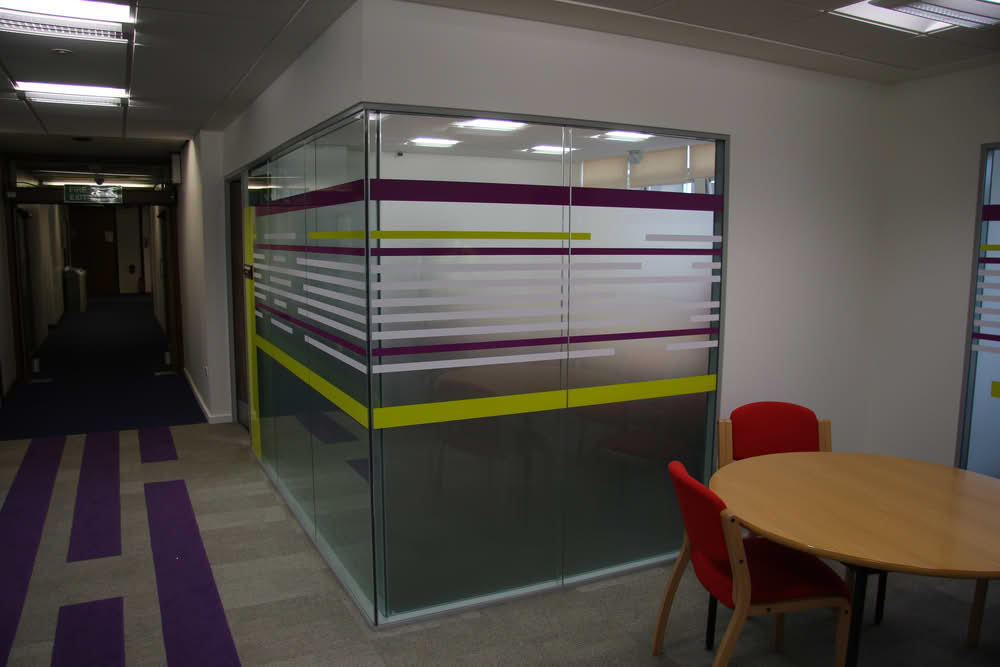
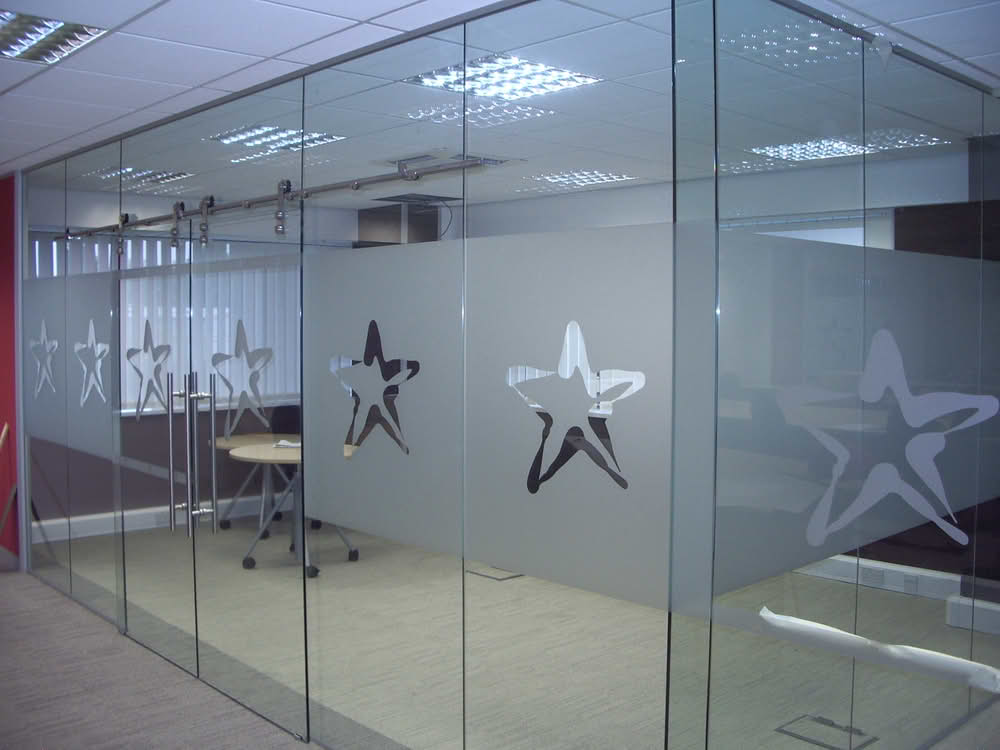
- Glazed partitions ranging from 10mm single glazing to full systems between 50mm and 100mm
- Acoustic glass systems measuring 10.8mm to 16.8mm laminated
- Operable walls between 80mm and 120mm depending on acoustic class
These options improve flexibility within commercial interior projects, allowing businesses to adapt, upscale, or reconfigure their spaces.
How Wall Thickness Supports Commercial Office Interiors
Wall thickness directly impacts how effective commercial office interior design becomes. The right depth ensures your workspace is practical, quiet, safe, and visually harmonious.
Benefits include:
- Improved acoustics for better meetings and focused working
- Fire safety compliance with appropriate ratings for escape routes
- Space division that feels structured without feeling cramped
- Cleaner cable management inside wall cavities
- Flexibility for future modifications thanks to adaptable stud systems
Commercial interior designers near you will consider how each wall affects flow, furniture placement, natural light, ventilation, and long‑term usability.
How to Plan Wall Thickness During a Commercial Interior Fit Out
When creating commercial interior projects, planning wall thickness early avoids complications, redesigns, and unexpected costs. A clear planning process ensures your layout works efficiently and meets compliance.
Here’s how you can approach it naturally during your commercial interiors UK refurbishment or new build:
- Think about how each space will be used: collaborative, private, technical, or client‑facing.
- Consider acoustic needs such as quiet rooms, boardrooms, or phone booths.
- Account for fire‑rated zones and escape routes.
- Plan cable routes, electrical points, and service voids.
- Ensure flexibility for future layout changes.
- Discuss thickness options with your commercial interior design firm early in the process.
By assessing these details in advance, you streamline your commercial interior fit outs and avoid disruptions during construction.
Where Thicker Walls Are Usually Required
Some spaces benefit from thicker walls to maintain privacy, comfort, and compliance. Common examples include:
- Private offices for managers or directors
- HR and interview rooms
- Medical or clinical rooms
- Finance and payroll departments
- IT server rooms requiring acoustic and fire protection
- Kitchens, storage rooms, and plant areas
- Customer‑facing spaces needing premium acoustic performance
Good specification choices help commercial office interiors feel balanced and functional.
Commercial Building Interior Design: Balancing Space and Performance
Every millimetre counts in commercial building interior design. While thicker walls improve performance, too much thickness reduces usable floor area. The goal is to find the right balance between compliance, comfort, and space efficiency.
Commercial interior company teams typically evaluate:
- The building’s existing structure
- How much natural light is available
- Whether partitions need glazing or full solid walls
- Ceiling height and airflow considerations
- Furniture placement and walkway widths
Optimising wall depth is part of a broader strategy in interior design commercial office projects.
Commercial Interior Fit Outs and Wall Materials
Choosing the right materials directly affects thickness. Most commercial interior design firms use metal stud frameworks because they offer consistent strength without requiring large depths. However, advanced acoustic boards, fire‑rated boards, insulation, and double‑layer systems can increase the finished dimension.
Where aesthetics matter—such as in commercial interiors UK showrooms, reception areas, or hospitality venues—designers may combine decorative finishes, acoustic panels, or timber cladding. These additions increase thickness but dramatically enhance visual impact.
What Is Commercial Interior Design Without the Right Wall Specification?
Wall thickness might seem technical, but it directly influences user experience. Without proper specification, even the most visually appealing commercial interiors fail to deliver comfort, safety, or functionality.
When collaborating with a commercial interior design firm, always review:
- Acoustic ratings
- Fire ratings
- Impact resistance needs
- Applicable building regulations
- Flexibility requirements
- Cost implications
These discussions allow your commercial interior designers UK team to propose a wall system that aligns with your business goals.
Commercial Interior Projects: What to Expect
Commercial interior projects follow a structured process:
- Initial consultation and needs analysis
- Space planning and layout creation
- Design development and concept approval
- Budget planning and material selection
- Scheduling and project coordination
- Construction, installation, and finishing
- Final handover and quality inspection
Throughout the process, clear communication ensures that commercial office interiors remain aligned with your goals.
Summary: Choosing the Right Wall Thickness for Your Space
In a well‑executed commercial interior refurbishment or fit out, wall thickness is far more than a technical detail. It determines how your workspace feels, functions, and performs every day. Whether you’re creating meeting rooms, open‑plan layouts, private suites, or specialist zones, the right balance between thickness and space efficiency allows your commercial interiors to thrive.
By understanding these dimensions, you ensure your commercial interior design services deliver comfort, compliance, and a polished finish that supports your business for years to come.
This knowledge empowers you to make confident decisions during planning discussions with commercial interior designers near you, ensuring your investment in commercial interiors UK solutions delivers long‑term value.